




























01
Real-time credentialing
When AI flags an exception, credentialing specialists step in — so applications don’t stall.
Medallion is the AI operations partner powering healthcare’s first real-time CVO.
Get in touch












Faster time-to-revenue, driven by natively-integrated AI.
Learn more →Accurate, compliant credentialing files delivered on time.
Learn more →Up-to-date provider data, enterprise-wide.
Learn more →Scale credentialing network-wide, without adding headcount.
Learn more →Move through applications, reviews, and approvals faster.
Learn more →Multi-state licensing velocity built for enterprise expansion.
Learn more →Stay ahead of compliance standards with automated alerts.
Learn more →







When AI flags an exception, credentialing specialists step in — so applications don’t stall.

Medallion experts review every critical stage before work moves forward. Turnaround times guaranteed.

Expert review is embedded at key steps — so compliance is never a question mark.

Our specialists continuously train Medallion’s AI to reflect evolving payer rules and regulations.
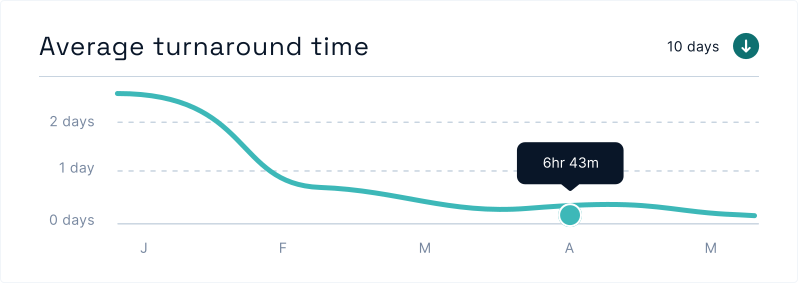
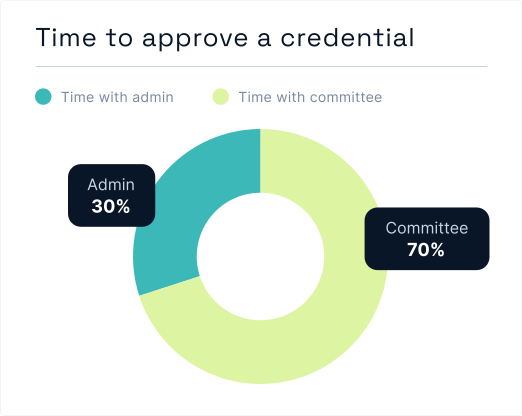
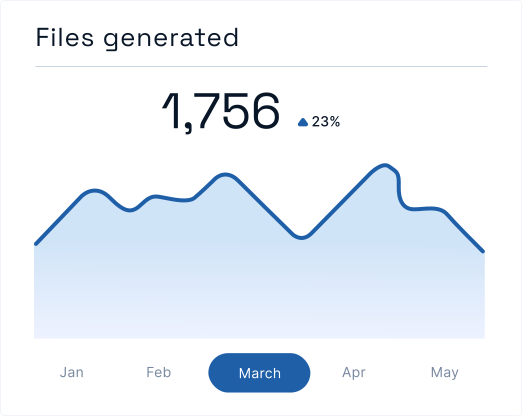
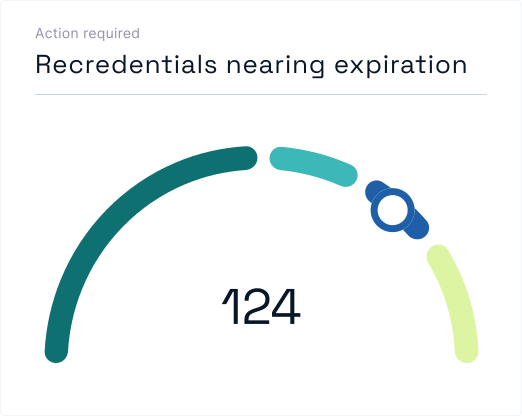
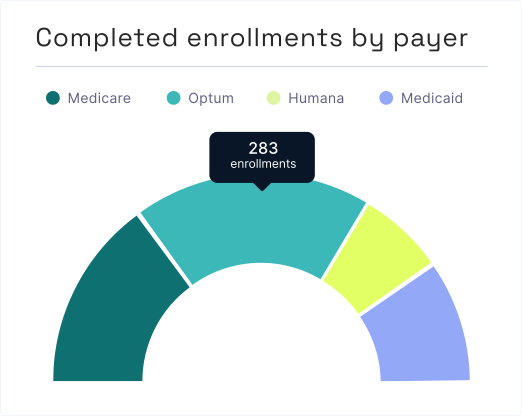
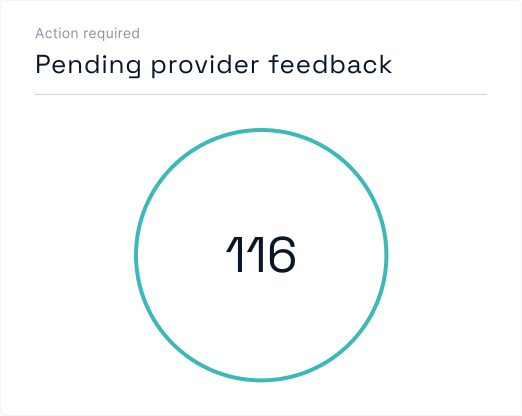
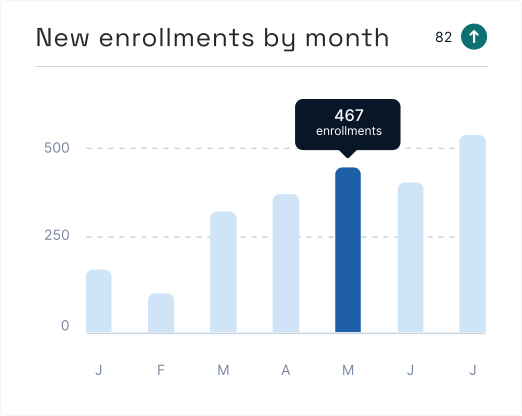
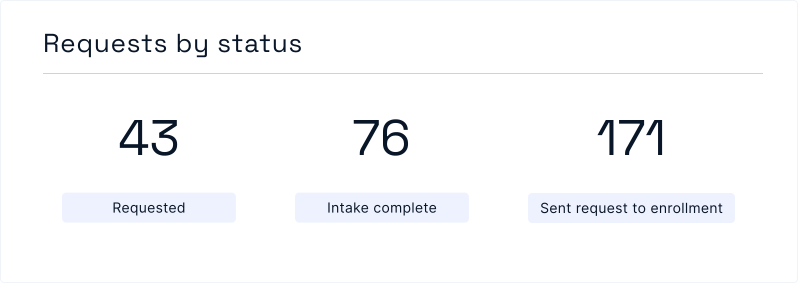
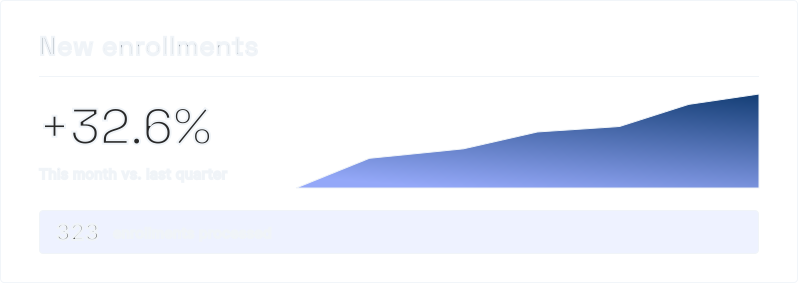
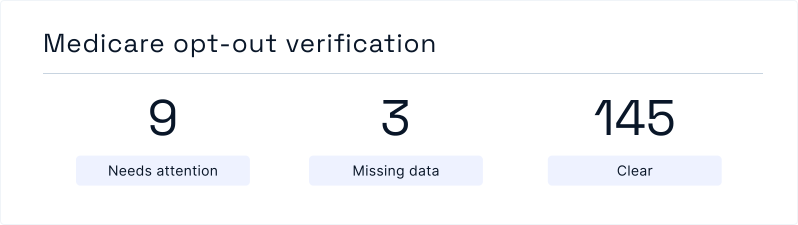
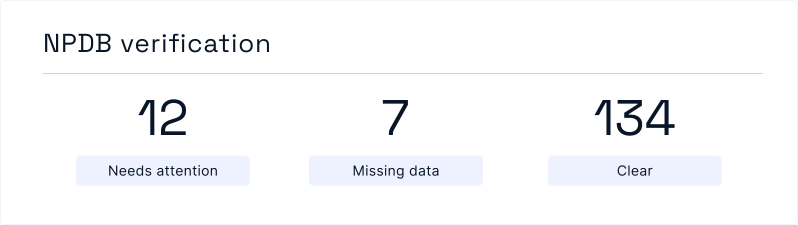
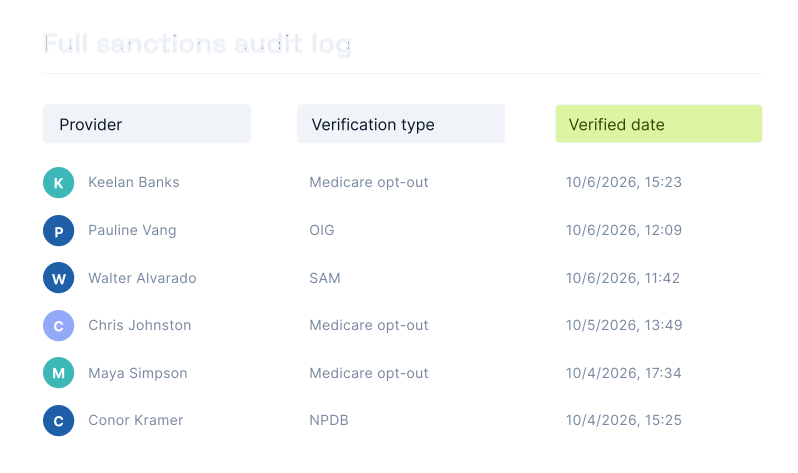

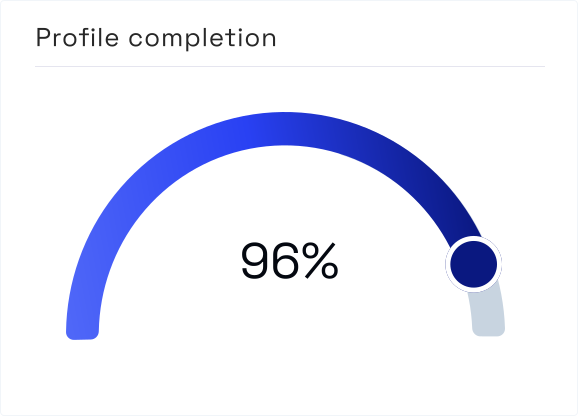
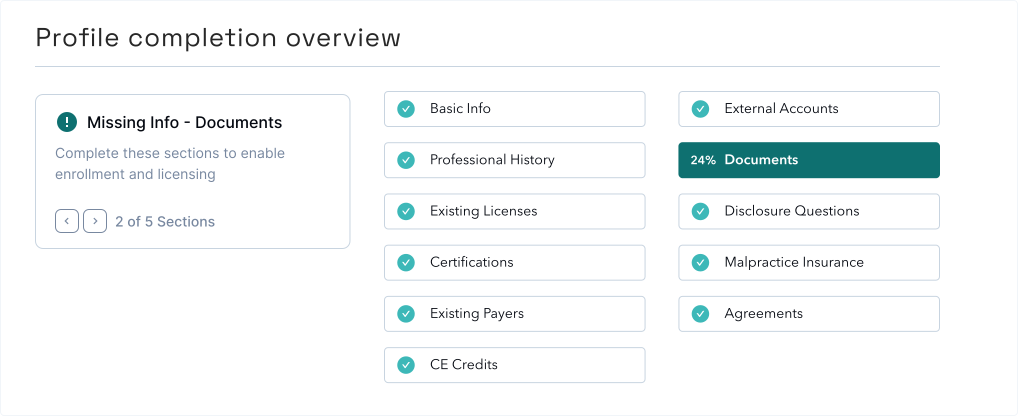
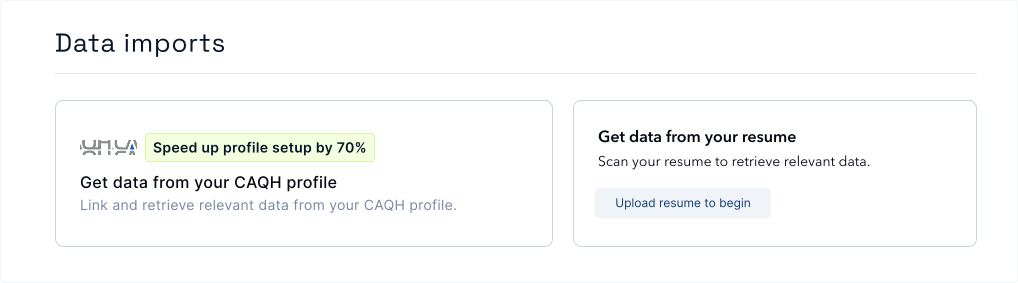
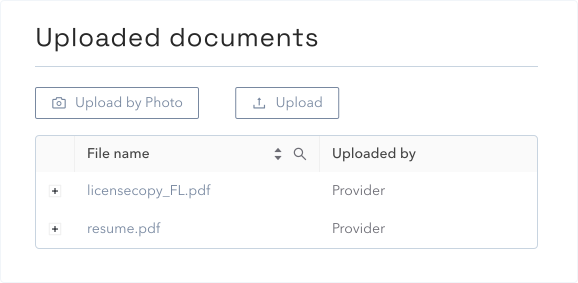

Operations that improve automatically — AI agents learn from every credentialing and enrollment workflow, getting faster and more accurate over time.

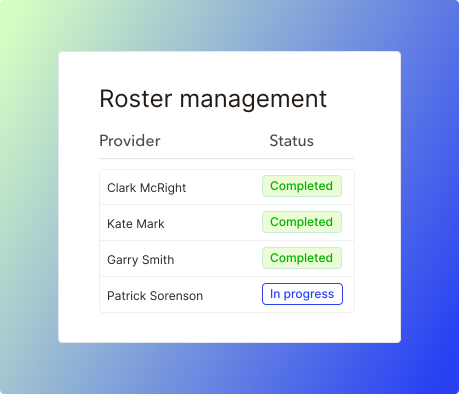
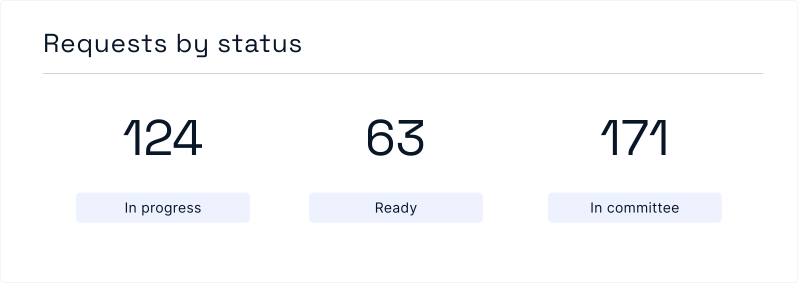
Real-time status across credentialing, enrollment, licensing, and monitoring — all in one command center, so nothing falls through the cracks.

Stay in control of what matters most — AI handles payer follow-ups, verifications, and admin work automatically.

Move faster with confidence — we stand behind every credentialing operation with performance-backed guarantees.
Payer enrollment is not a single-turn task. It is weeks of work involving dozens of touches across payer portals, CAQH, email, SMS, fax, and phone — handled end to end.
Goal:
From industry to top-tier press, we’re setting the new standard for intelligent healthcare operations.


Newsweek names Medallion to America’s Greatest Startup Workplaces 2025

Medallion is named one of the LinkedIn Top Startups in the U.S. for 2025

Medallion named to Inc. 2026 Best Workplaces List

America’s Greatest Startup Workplaces 2025
Credentialing in healthcare is the process of verifying a provider’s qualifications — education, training, licensure, and work history — before they’re authorized to treat patients or bill insurance. Health systems, medical groups, and health plans use credentialing to ensure clinical quality, meet regulatory standards (NCQA, The Joint Commission), and maintain payer contracts. Without it, providers can’t legally see patients or generate revenue.
Provider credentialing is the formal process of verifying and approving a clinician’s qualifications to practice within a healthcare organization or payer network. It covers primary source verification of licenses, certifications, malpractice history, and education — and must be repeated on a regular re-credentialing cycle, typically every two to three years. Traditionally a manual, paper-heavy process, credentialing today is increasingly managed through automated platforms to reduce turnaround times and administrative burden.
Provider enrollment and credentialing are two related but distinct processes. Credentialing verifies a provider’s qualifications to practice clinically. Enrollment is the separate process of contracting with payers — Medicare, Medicaid, and commercial health plans — so a provider can bill for services rendered. Both must be completed before a provider can see patients and generate revenue, and delays in either directly impact an organization’s bottom line.
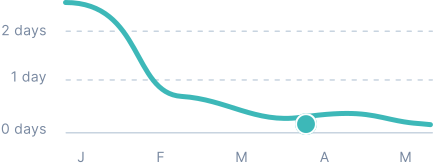
Traditional provider credentialing takes 90 to 120 days on average, though delays from incomplete applications, slow primary source responses, or payer backlogs can stretch timelines further. With automated credentialing platforms, organizations have significantly compressed that window — Medallion customers like Tampa General Hospital have reduced credentialing turnaround from 30 days to 3 days, and median provider onboarding on the Medallion platform is 2 days.
Provider credentialing typically requires a current state medical license, DEA certificate, malpractice insurance certificate, board certification, education and training records, CV, work history for the past five to ten years, and a completed CAQH profile. Requirements vary by organization and payer, but incomplete or outdated documentation is one of the most common causes of credentialing delays and denials.