









The 2026 State of Payer Enrollment and Medical Credentialing for Provider Groups
Medical and provider groups are navigating one of the most operationally intense periods in recent history — with rising patient volumes, reimbursement pressure, and administrative complexity all increasing at once. Here’s what leaders should watch to build faster, more predictable, and more sustainable processes.
Download the research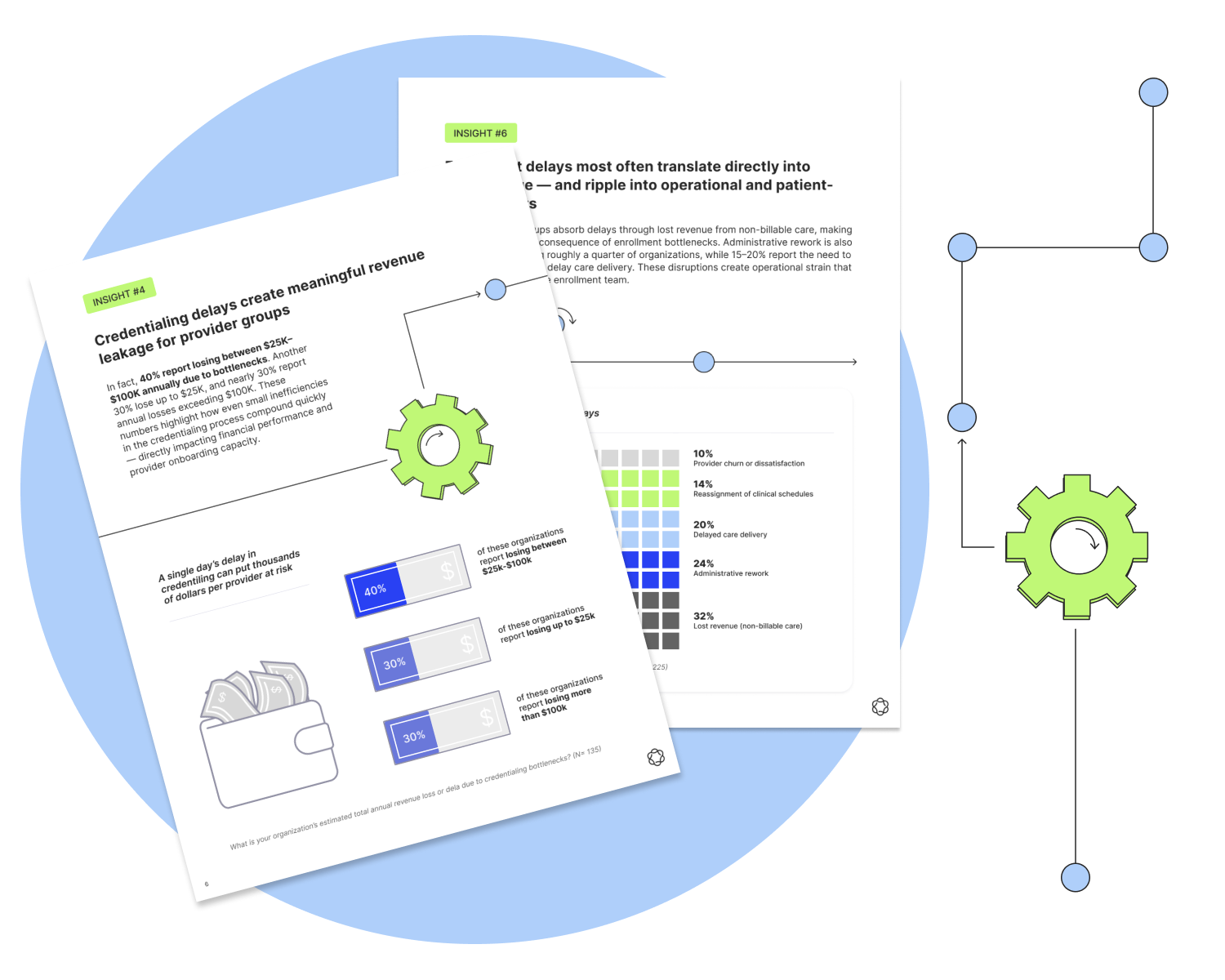
“I feel like payer enrollment needs to have more automated AI integration. I work for a large hospital and we are constantly opening new locations and hiring new providers, but not hiring any more employees for enrollment coordinators and credentialing coordinators. Manually entering every application is way too time consuming.”
 Jessica B.Enrollment Coordinator at Cincinnati Children’s Hospital Medical Center
The hidden breakdowns slowing revenue and operations in 2026
Why do credentialing workflows break down for provider groups?
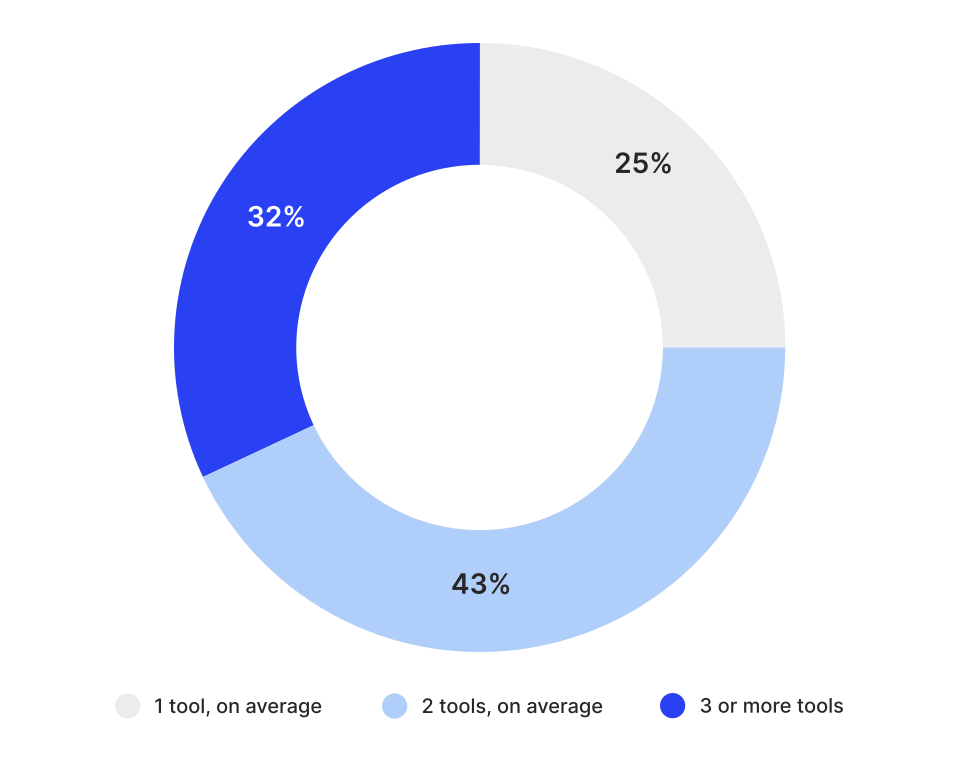
Many provider groups rely on fragmented systems: 43% use two tools to credential a provider, and 32% use three or more, signaling significant technology sprawl. This patchwork setup fuels duplicate data entry, inconsistent workflows, and unnecessary rework for coordinators and front-line teams navigating disconnected systems.
Where do credentialing delays most commonly occur for provider groups?
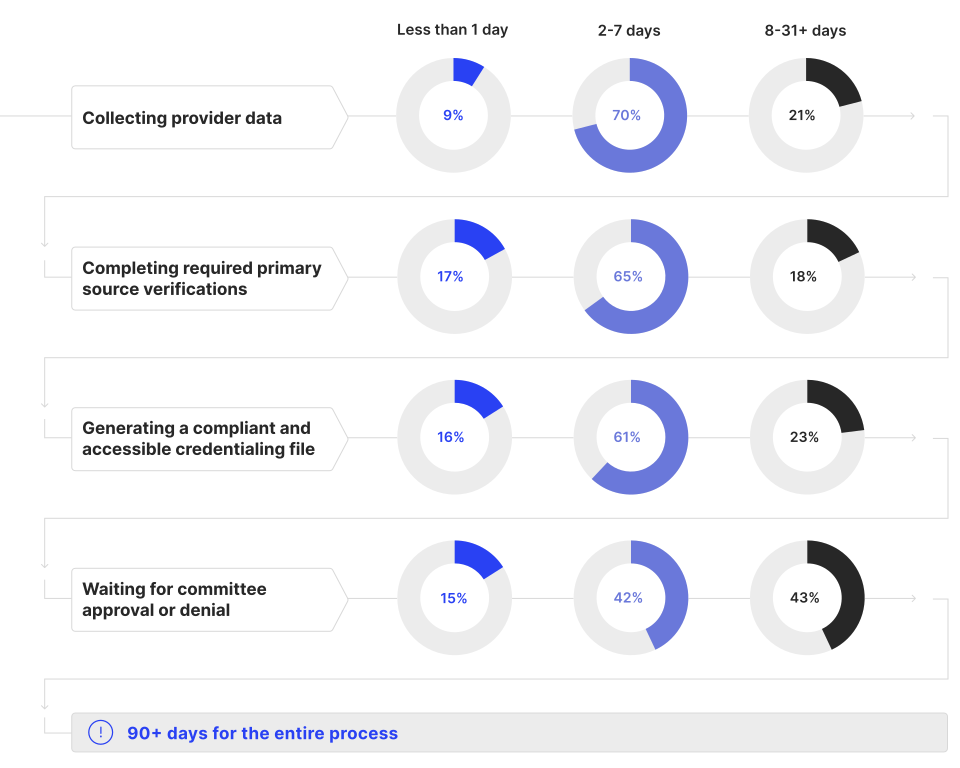
Early steps are efficient, but delays spike once a file reaches committee review. Nearly 30% wait more than 8 days, and 17% wait over 31 days, making committee approval the most unpredictable and delay-prone stage of the entire credentialing lifecycle.
Why is credentialing visibility inconsistent across provider groups?
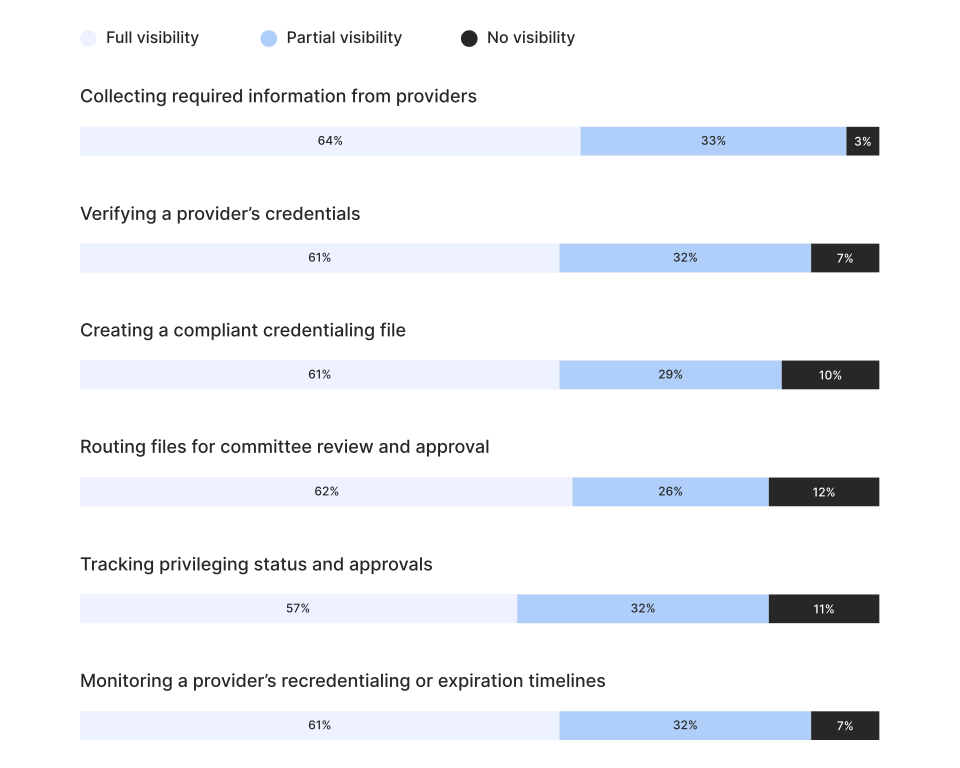
Provider groups report strong visibility in early workflow stages — up to 64% have full clarity on data collection, PSV, and file generation. But transparency erodes as files move deeper into the process. Only 57% have full visibility into privileging, and 62% understand how files move through committee review.
Get the full report
Download the research for the complete set of 2026 benchmarks and trends.